
Mechanical Engineer Salary UK (2026): Graduate to Senior Engineer Pay Guide
Discover mechanical engineer salaries in the UK for graduates, apprentices, chartered and senior engineers in 2026, including industry comparisons and salary progression.


Quick answer
If you’re searching for the mechanical engineer salary in the UK in 2026, the short answer is:
| Career stage | Typical UK salary |
|---|---|
| Apprentice | £18,000–£28,000 |
| Graduate Mechanical Engineer | £28,000–£38,000 |
| Mechanical Engineer (2–5 years) | £35,000–£50,000 |
| Senior Mechanical Engineer | £50,000–£70,000+ |
| Chartered Mechanical Engineer | £55,000–£85,000+ |
| Principal / Lead Engineer | £70,000–£100,000+ |
Highest-paying sectors: Oil & gas, aerospace, defence, energy, and advanced manufacturing.
Best route for fast salary growth: Degree apprenticeship + chartership.
When students ask us about engineering careers, one question comes up almost every time: “Can mechanical engineers actually earn a good salary in the UK?”
The honest answer is yes. Mechanical engineering remains one of the strongest-paying engineering disciplines, especially if you gain industry experience, move into high-value sectors, or achieve chartered status.
The important thing is understanding that the salary you see advertised for a graduate is very different from what an experienced engineer earns ten years later. This guide breaks down realistic UK salaries, where the best opportunities are, and what I’d focus on if I were starting a mechanical engineering career today.
What does a mechanical engineer do?
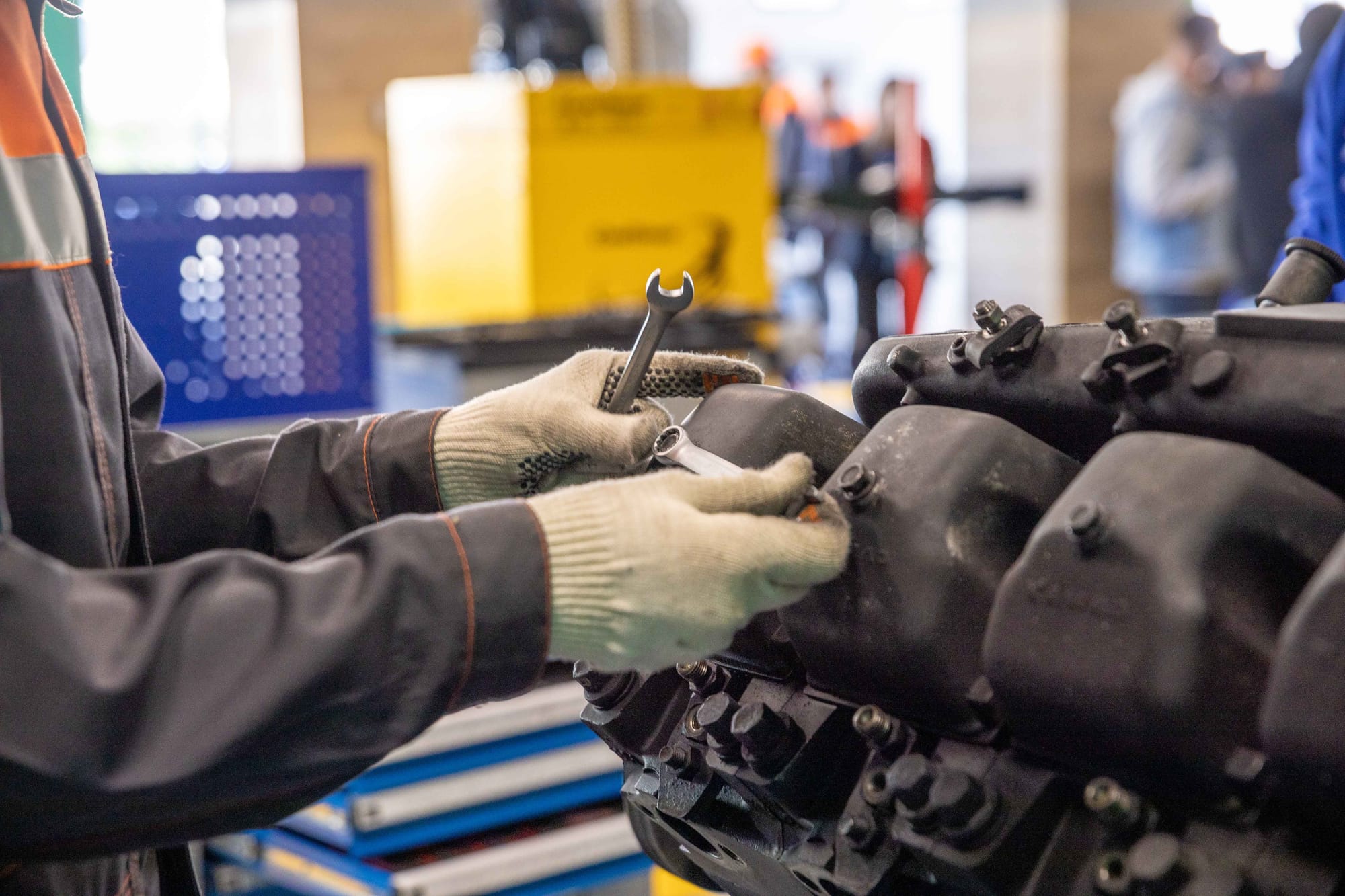
Mechanical engineers design, analyse, build and improve mechanical systems such as engines, turbines, manufacturing equipment, vehicles, robotics systems and energy technologies. You’ll find them working in:
- Aerospace
- Automotive
- Rail
- Renewable energy
- Defence
- Manufacturing
- Robotics
- Building services
- Medical devices
- Oil & gas
Because these industries are critical to the UK economy, skilled mechanical engineers are consistently in demand.
Mechanical engineer salary by experience
Apprentice Mechanical Engineer salary
Many students are surprised that you can start earning before university through an apprenticeship.
Typical salary: £18,000–£28,000
- Level 3 apprentices: £18k–£24k
- Degree apprentices: £22k–£28k
Best for: Students who want to avoid student debt and gain experience early.
A degree apprentice who earns £25k at 18 and progresses well can be earning £40k+ by their early twenties while having several years of industry experience.
Graduate Mechanical Engineer salary
Typical salary: £28,000–£38,000
Most graduate schemes in engineering and manufacturing now fall within this range, with London and high-tech sectors often at the upper end.
Typical graduate salaries by sector
| Sector | Graduate salary |
| Manufacturing | £28k–£34k |
| Automotive | £30k–£36k |
| Aerospace | £31k–£38k |
| Defence | £32k–£38k |
| Energy | £32k–£40k |
| Building services | £28k–£35k |
Best for: Recent graduates with an MEng or BEng degree.
At this stage, salary differences are usually driven more by the employer and sector than by the university attended.
Early-career Mechanical Engineer (2–5 years)
Typical salary: £35,000–£50,000
After a few years, engineers who can independently manage projects, use CAD and simulation software confidently, and communicate well with clients or production teams usually move into this range.
A realistic progression might look like:
- Year 1: £30k
- Year 3: £38k
- Year 5: £45k+
This is often the point where engineers begin specialising in areas such as design, thermal systems, manufacturing, automation or renewable energy.
Senior Mechanical Engineer salary
Typical salary: £50,000–£70,000+
Senior engineers are expected to lead projects, mentor junior engineers, make technical decisions and take responsibility for safety, quality and delivery.
Typical roles include:
- Senior Design Engineer
- Senior Mechanical Engineer
- Project Engineer
- Lead Engineer
- Engineering Team Leader
In London, the South East, defence and energy sectors, salaries above £70k are increasingly common for experienced specialists.
Chartered Mechanical Engineer salary
Typical salary: £55,000–£85,000+
Chartered Engineer (CEng) status through the Institution of Mechanical Engineers (IMechE) is one of the strongest salary accelerators in UK engineering.
Employers often associate chartership with technical competence, professionalism and leadership potential.
Typical chartered salaries
| Sector | Chartered salary |
| Manufacturing | £55k–£75k |
| Aerospace | £60k–£85k |
| Defence | £60k–£85k+ |
| Energy | £65k–£90k+ |
| Consultancy | £60k–£95k+ |
Best for: Engineers aiming for leadership, consultancy or specialist technical careers.
Principal / Lead Engineer salary
Typical salary: £70,000–£100,000+
At this level, engineers may manage large teams, major infrastructure projects or complex technical programmes. Total compensation can be significantly higher when bonuses, overtime, travel allowances or profit-sharing are included.
Which UK industries pay mechanical engineers the most?
Highest-paying sectors in 2026
| Sector | Typical experienced salary |
| Oil & Gas | £65k–£100k+ |
| Energy (nuclear, offshore, renewables) | £60k–£90k+ |
| Aerospace | £55k–£85k+ |
| Defence | £55k–£85k+ |
| Advanced Manufacturing | £50k–£80k+ |
| Automotive | £45k–£75k+ |
| Building Services | £40k–£65k+ |
If your primary goal is maximising earnings, I’d focus on energy, aerospace or defence rather than general manufacturing.
Mechanical engineer salary by UK region
Location matters more than many students realise.
| Region | Typical experienced salary |
| London | £45k–£75k+ |
| South East | £42k–£70k+ |
| South West | £38k–£65k+ |
| Midlands | £38k–£65k+ |
| North West | £37k–£62k+ |
| Yorkshire & Humber | £36k–£60k+ |
| Scotland | £40k–£70k+ |
| Wales | £35k–£58k+ |
| Northern Ireland | £34k–£55k+ |
London salaries are usually highest, but housing costs are also significantly higher. Many engineers find that regions such as Yorkshire, the Midlands and the North West offer a better salary-to-cost-of-living balance.
Graduate vs degree apprenticeship: which pays more?
By age 22–23
| Route | Typical salary | Debt | Experience |
| University graduate | £30k–£35k | Often £40k+ | 0–1 year |
| Degree apprentice | £35k–£45k | Usually £0 | 4–5 years |
For many students, the degree apprenticeship route is financially stronger in the early years. The university route may offer broader flexibility for research, international opportunities or certain specialist industries.
What skills increase salary fastest?
The engineers who progress fastest usually combine technical depth with commercial awareness.
High-value skills
- CAD (SolidWorks, CATIA, Creo, Inventor)
- Finite Element Analysis (FEA)
- CFD / thermal simulation
- Automation & robotics
- Manufacturing process optimisation
- Project management
- Systems engineering
- Data analysis / Python / MATLAB
- Renewable energy systems
- Communication & client management
If I were choosing one extra skill to learn during university, I’d pick Python for engineering analysis. It is increasingly useful across design, simulation and manufacturing roles.
How quickly can a mechanical engineer reach £50,000?
A realistic strong-performance timeline:
| Years of experience | Typical salary |
| 0 | £30k |
| 2 | £36k |
| 4 | £43k |
| 6 | £50k+ |
| 8 | £58k+ |
| 10 | £65k+ |
Engineers in aerospace, defence or energy often reach £50k earlier than those in general manufacturing.
Mechanical engineer salary vs other STEM careers
| Career | Typical mid-career salary |
| Mechanical Engineer | £45k–£60k |
| Civil Engineer | £42k–£58k |
| Electrical Engineer | £45k–£65k |
| Chemical Engineer | £50k–£70k |
| Software Engineer | £50k–£90k+ |
| Data Scientist | £50k–£85k+ |
Software and data roles currently have the highest upside, but mechanical engineering remains one of the strongest traditional engineering careers for long-term stability and progression.
What I’d do if I wanted the highest mechanical engineering salary
If I were starting again in 2026, my plan would be:
- Choose a degree apprenticeship or an accredited MEng.
- Target aerospace, defence or energy employers.
- Learn CAD + FEA + Python before graduation.
- Work toward IMechE chartership within 5–7 years.
- Move into leadership or specialist technical roles by year 8–10.
That path gives a realistic route to £60k–£80k+ within a decade.
Frequently asked questions
Is £30k a good graduate salary for a mechanical engineer?
Yes. Around £30k–£35k is a solid starting salary for a graduate mechanical engineer in most UK regions.
Can mechanical engineers earn £100k in the UK?
Yes, though it is usually achieved in senior leadership, consultancy, oil & gas, energy, defence or highly specialised technical roles.
Do mechanical engineers get bonuses?
Many employers offer annual bonuses, overtime, shift allowances or project incentives, particularly in manufacturing, defence and energy.
Is chartership worth it financially?
In most cases, yes. Chartered engineers often earn £5k–£20k+ more than comparable non-chartered engineers over time.
What is the best-paid mechanical engineering sector in the UK?
Oil & gas and energy roles typically offer the highest salaries, followed by aerospace and defence.
Final thoughts
Mechanical engineering is not the fastest route to six figures, but it is one of the most reliable STEM careers for combining strong salaries, job security, technical interest and long-term progression.
For most graduates, a realistic target is:
- £30k+ on entry
- £40k–£50k within 5 years
- £60k+ with chartership and experience
- £80k+ in senior or specialist roles
The biggest salary jumps usually come from industry choice, technical specialisation and chartership, not from the university name alone.
If you’re currently studying maths, physics or engineering and want a career that combines design, problem-solving and solid earning potential, mechanical engineering remains one of the strongest options in the UK STEM market in 2026.
Explore next on STEMLaunch:
- Best Engineering Jobs in the UK
- How to Become a Mechanical Engineer
- Mechanical Engineering Degree Apprenticeships
- Aerospace Engineer Salary UK
- Highest-Paying STEM Careers in the UK


